
We are replacing a gas boiler in a building from the 1980s in Lausanne. The quote comes in, and the heat pump costs three times more than a like-for-like replacement. The reflex is to look for subsidies for energy renovation.
We then discover that the amount, conditions, and even the form change depending on the canton where the building is located. In Switzerland, the aid system exists, it is generous, but it requires understanding a few mechanisms before signing anything.
Impulse Program 2025: What Has Changed for Heating Replacement
The Building Program, funded by the Confederation and the cantons, remains the main foundation of subsidies. It is mainly known for thermal insulation and the replacement of small fossil boilers.
Since January 1, 2025, an Impulse Program has complemented it. It targets cases that the classic system covered poorly: decentralized electric heating, large fossil installations over 70 kW, and a bonus related to the efficiency of the building envelope. For an owner of a condominium with electric radiators in every room, this is a concrete opportunity that did not exist before.
In 2025, the technical installations of buildings represented 186 million francs in committed aid, compared to 145 million for thermal insulation. This discrepancy confirms that heating replacement mobilizes more funds than insulation. Of the 20,097 fossil or electric heaters replaced with aid, 82% were replaced by heat pumps. The shift towards the electrification of renewable heating is documented, not just announced.
The processes related to these programs are centralized on subventionsbatiment.ch, which gathers information by canton and type of measure.
CECB Plus: The Diagnosis That Conditions Access to Subsidies
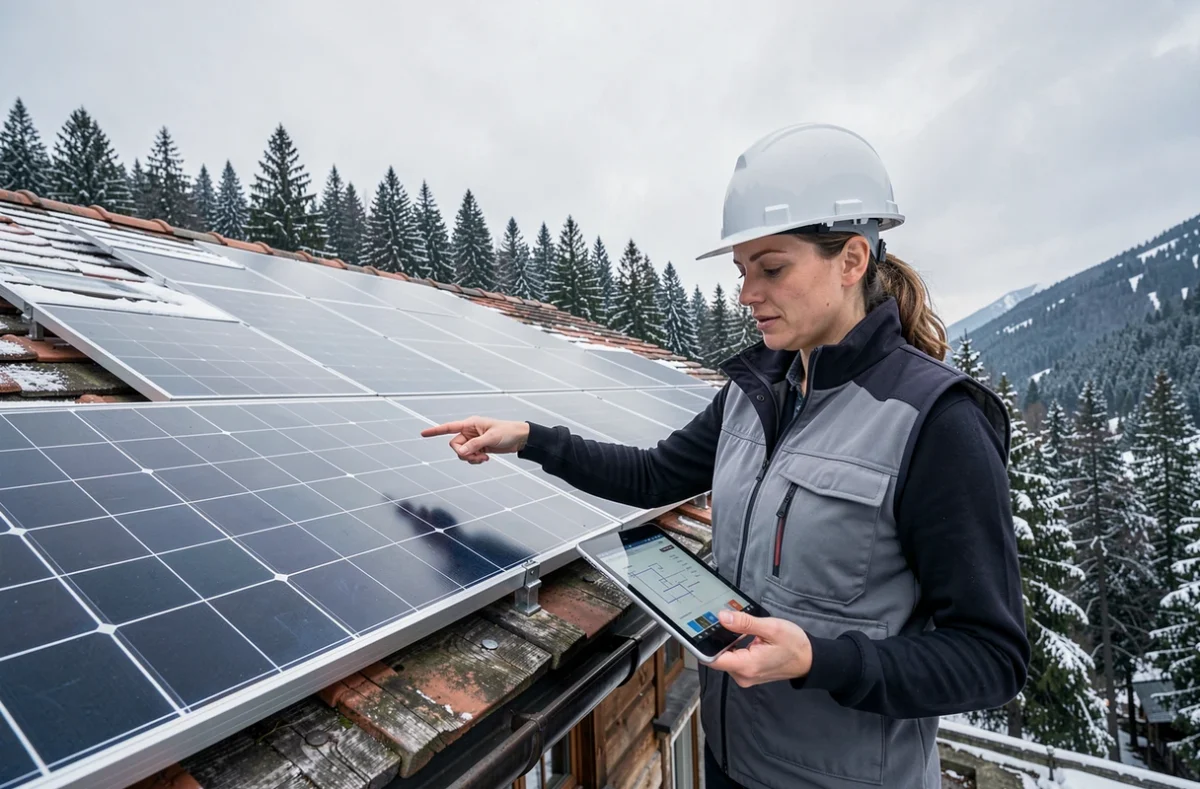
You can insulate a roof or change windows without an energy certificate. However, to access the highest cantonal subsidies, particularly those related to comprehensive renovations, a CECB Plus report is often required.
The CECB (Cantonal Energy Certificate for Buildings) assesses a building’s performance on a scale from A to G. The “Plus” version goes further: it provides a quantified renovation plan, with variations and a step-by-step work schedule. This document allows the canton to validate that the project meets a sufficient performance threshold to unlock funds.
In practice, a certified CECB expert is called in. They inspect the building, analyze the envelope, heating system, ventilation, and then write the report. The cost of the CECB Plus itself is sometimes partially subsidized depending on the canton. Vaud and Geneva cover it under certain conditions, while other cantons do not. Feedback on this point varies, so it is better to check directly with the cantonal energy service before commissioning the expert.
Cantonal Subsidies in Switzerland: Why Amounts Vary So Much
The Building Program defines a common model, but each canton adapts it to its own energy policy. As a result, for the same replacement of a gas boiler with a heat pump, the amount of the subsidy can vary significantly from one canton to another.
Several factors explain these discrepancies:
- The cantonal budget allocated to the program, which depends on CO2 tax revenues redistributed and the canton’s own funds.
- Local priorities: some cantons enhance facade insulation, while others focus on solar thermal or connections to a district heating network.
- Technical requirements: the performance threshold to be achieved after work (U-value of walls, target CECB class) is not the same everywhere.
A recent case illustrates the limits of the system: the canton of Jura has suspended part of its renovation program due to insufficient budget. When the envelope is exhausted, new requests are put on hold or denied, even if the project meets all criteria. This situation reminds us that it is not enough to fill out a compliant file; it is also necessary to submit the application at the right time.
Submitting Your Subsidy Application: The Timing Trap
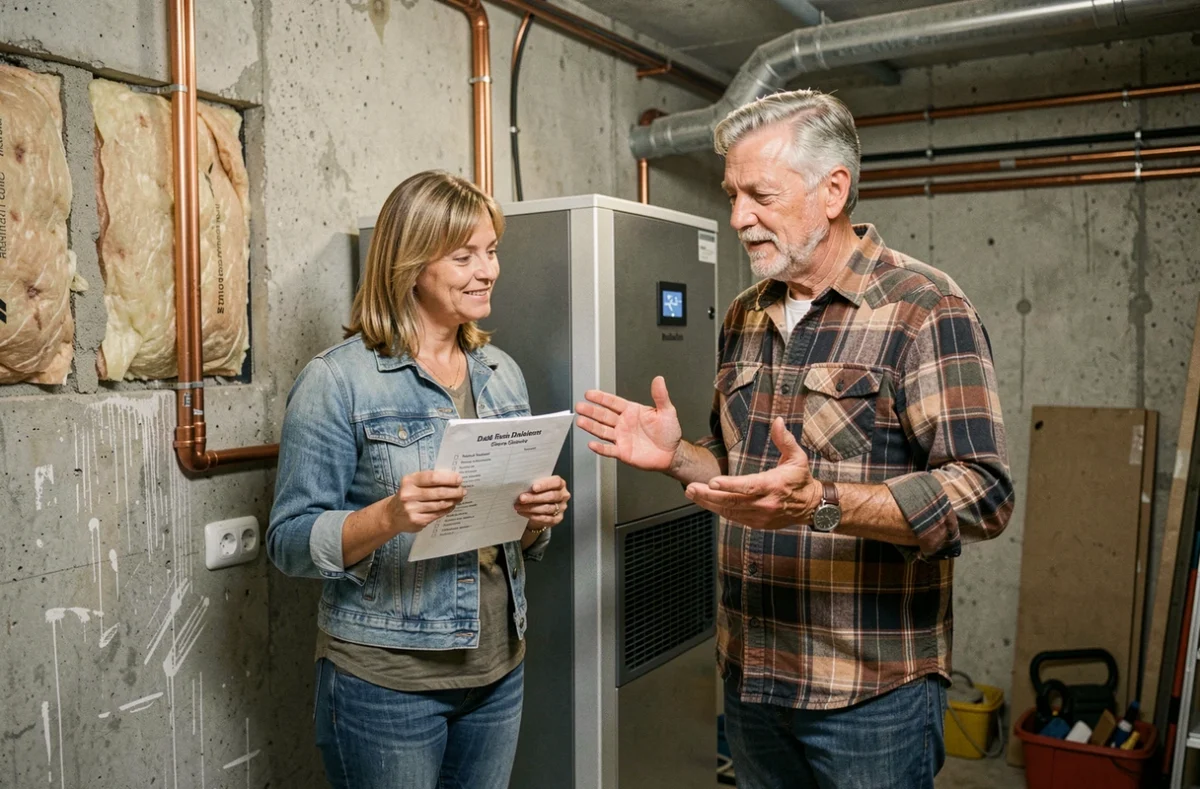
The most important rule, and the one most often ignored on the ground: the subsidy application must be submitted before the start of the work. Not before the end, not during. Before. Any invoice issued or any work started before the formal agreement from the canton makes the file ineligible.
In practice, you prepare the file with the company’s quote, the CECB Plus report if necessary, and the canton’s forms. You then wait for written confirmation of the grant before signing the work contract. This delay can take a few weeks to several months depending on the workload of the cantonal service.
For a project that combines insulation and heating replacement, you also need to check whether both aspects can be requested in a single application or if they require two separate files. Again, the procedure varies by canton.
Another point not to be overlooked: tax deductions on energy renovation costs are cumulative with subsidies in most cantons. The deductible amount corresponds to the work minus the subsidy received, which further reduces the net cost of the project. An accountant or tax advisor can quantify the exact gain depending on the owner’s situation.
The Swiss subsidy system for energy renovation is structured and well-funded, with over 636 million francs committed in 2025. The difficulty is not finding the money, but respecting the sequence: diagnosis, application, validation, then work. Reversing two steps is enough to lose the funding.