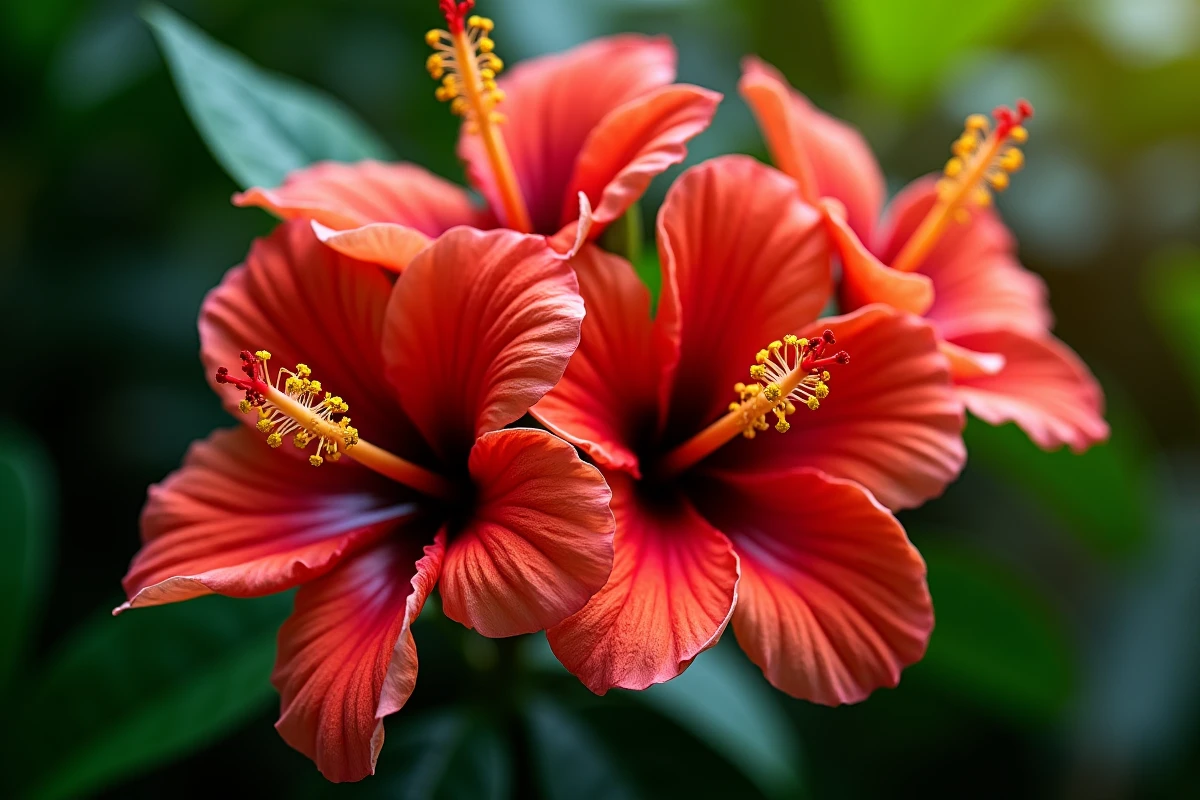
The Hawaiian flower spontaneously evokes the bright red hibiscus, the creamy frangipani, or the orange-toned bird of paradise. This tropical imagery, saturated with colors, is omnipresent in decoration, textile patterns, and exotic wedding themes. But among these flowers associated with Hawaii, which ones are actually native to the archipelago, and which ones belong to an imaginary constructed around imported plants?
Native and Introduced Flowers in Hawaii: An Overlooked Gap
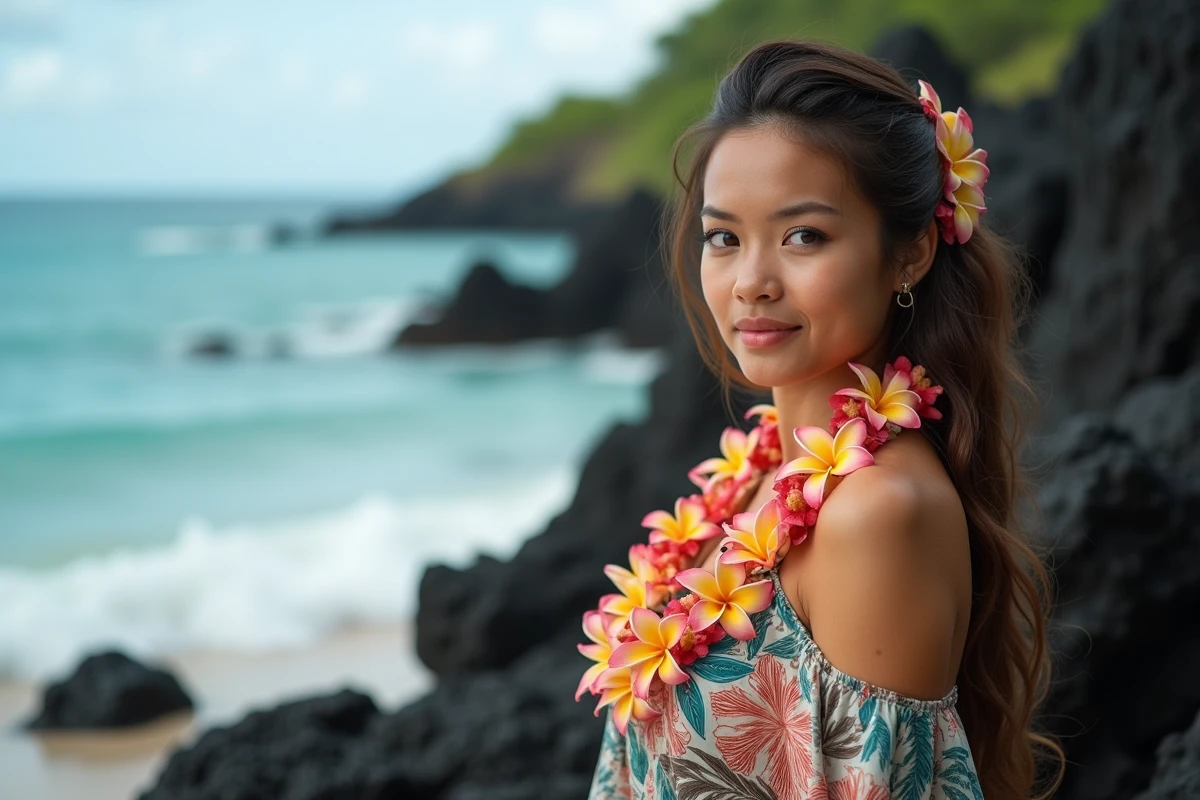
The confusion between native Hawaiian flowers and introduced exotic flowers has long fueled tropical marketing. According to the Hawaiʻi Tropical Biosecurity Guide (University of Hawaiʻi, 2023 revision), the frangipani (plumeria) is a species introduced in the 19th century from Mexico and Central America. This flower, which has become the icon of lei necklaces and so-called “Hawaiian” patterns, is not indigenous at all.
The “Plant Pono” program of the State of Hawaii has officially distanced itself since 2022 from certain ornamental exotic plants that are very present in tropical imagery. Ornamental ginger and certain heliconias are now classified as invasive and discouraged for planting in local gardens.
| Flower | Origin | Status in Hawaii | Use in “Hawaiian” Imagery |
|---|---|---|---|
| Plumeria (frangipani) | Mexico, Central America | Introduced (19th century) | Lei necklaces, decoration, textile patterns |
| Hybrid hibiscus | Horticultural hybridization | Introduced and cultivated varieties | Floral symbol of Hawaii (indigenous brackenridgei variety, but colorful hybrids are imported) |
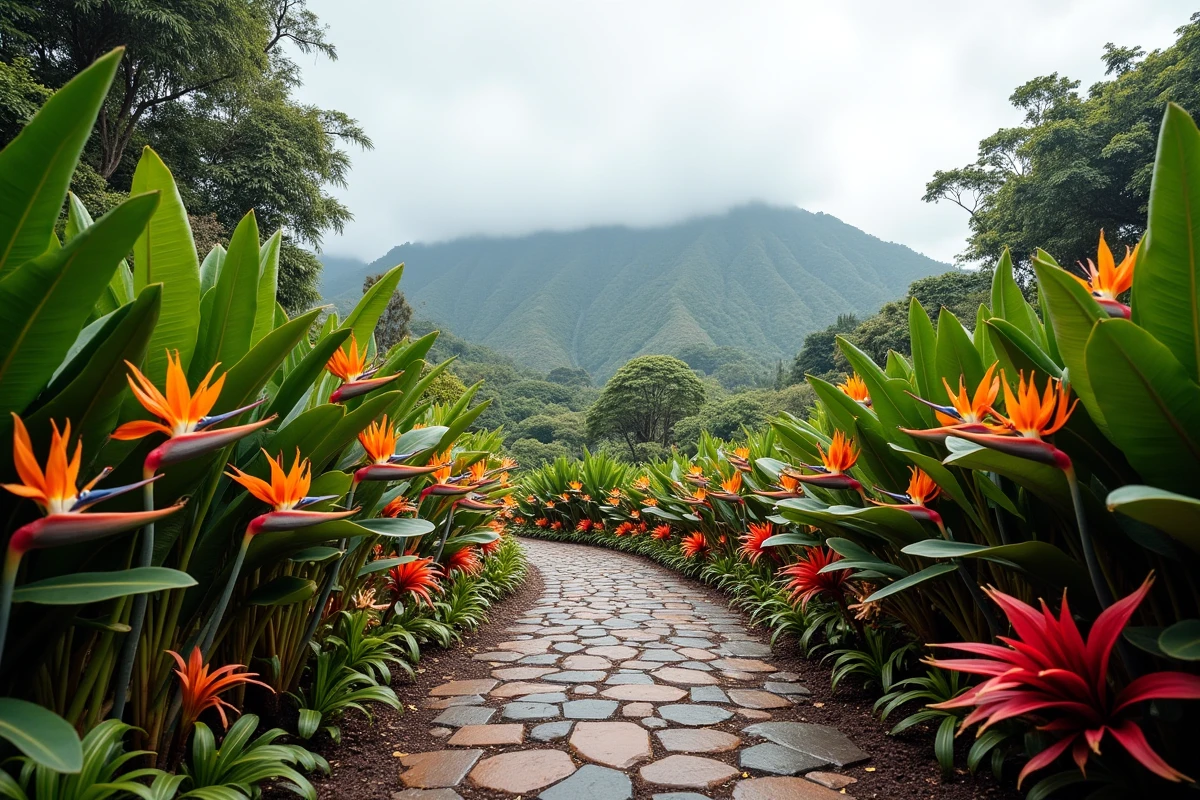
| Bird of paradise (Strelitzia) | South Africa | Introduced | Tropical bouquets, event decoration |
| Ornamental ginger | Southeast Asia | Introduced, classified as invasive | Floral arrangements, tropical ambiance |
| Native flowers (ʻōhiʻa lehua, ilima) | Hawaii | Endemic | Traditional ceremonies, cultural leis |
This table highlights a gap: the most “Hawaiian” flowers in the collective imagination are almost all imported. The true endemic flowers, visually less spectacular, remain largely unknown to the general public.
To learn more about the Hawaiian flower, the actual diversity of species cultivated on the archipelago far exceeds the clichés conveyed by tropical decoration.
Exotic Flowers in Decoration and Weddings: A Tropical Imaginary Disconnected from Reality
The search for a tropical ambiance for a wedding, a festive table, or a themed trip almost systematically relies on introduced flowers. Plumeria, heliconia, strelitzia: these species make up the standard palette of what the market calls “Hawaiian decoration.”
This palette operates on a specific visual register: saturated colors (red, orange, bright yellow), exuberant shapes, association with the beach and light. The result is a reconstructed nature for ambiance, not for botanical fidelity.
- The frangipani flowers used in lei necklaces sold to tourists are mass-produced, often outside the archipelago, and do not reflect traditional ceremonial practices.
- The heliconias present in “tropical” floral arrangements are among the species that the Plant Pono program now advises against planting in Hawaii.
- The brightly colored hibiscus hybrids, omnipresent in “tropical” and “travel” themes, are horticultural creations unrelated to the indigenous brackenridgei hibiscus, which has much more discreet yellow flowers.
The “Hawaiian flower” imaginary is based on an aesthetic selection, not on ecological reality. Tropical decoration borrows from the tropics in general (Asia, America, Africa) and projects it all onto Hawaii, which serves as a visual label.
Revaluation of Native Hawaiian Flowers in Local Culture
In response to this standardization, a movement to revalue endemic plants is gaining ground on the archipelago. The Native Hawaiian Plant Society notes in its 2023 bulletin a cultural revaluation of less visually spectacular native flowers, particularly in ceremonies and lei workshops. The stated goal is to return to pre-contact practices and reduce dependence on imported flowers.
Eco-cultural tourism circuits now include guided tours of community gardens. According to an article in the Journal of Sustainable Tourism (2022), tourists learn to distinguish decorative exotic flowers from sacred native plants, with strict guidelines on what can be picked or worn in a lei.
What This Means for Tropical Flower Enthusiasts
For those interested in Hawaiian flowers beyond decoration, this distinction between introduced plants and endemic species transforms the perspective. The ʻōhiʻa lehua, an endemic tree whose red pom-pom flower is linked to the goddess Pele, lacks the photogenic quality of a bird of paradise. The ilima, a small yellow-orange flower used in royal leis, goes unnoticed next to a plumeria.
However, these species carry a cultural and ecological significance that introduced flowers do not possess. Their increasing rarity (due to invasive species and habitat loss) makes them all the more meaningful in local practices.
Hawaiian Flowers and Tropical Theme: Adapting Your Approach
Using tropical flowers for table decoration, an island-themed wedding, or a “travel” ambiance remains perfectly coherent from an aesthetic standpoint. The point of caution concerns labeling: calling a bouquet composed exclusively of South American and African plants “Hawaiian” is a simplification.
- For a generic tropical theme, the mix of plumeria, strelitzia, and heliconia works visually without botanical pretension.
- For a more faithful homage to Hawaiian nature, integrating references to native species (even symbolically, through color or shape choices) makes a difference.
- For an event linked to Hawaiian culture, inquiring about the flowers allowed in traditional leis avoids cultural missteps.
The most authentic Hawaiian flower is not the most colorful. The gap between the exported exotic imaginary and the botanical reality of the archipelago is the most revealing aspect of this subject. The endemic species, discreet and threatened, carry the true floral identity of Hawaii, whereas the introduced flowers feed a seductive yet uprooted decor.