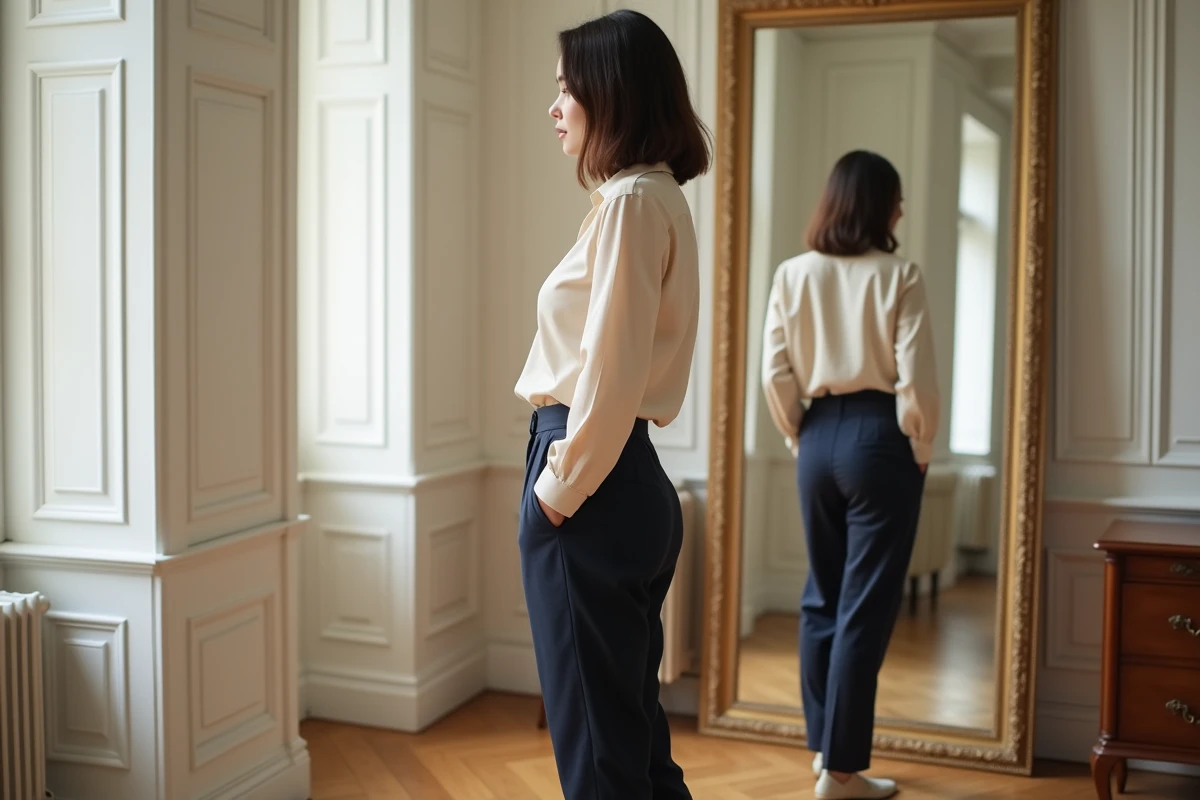
When you measure 1m65, the temptation to look for precise numbers for waist, hip, or bust measurements is strong. Online calculators promise perfect proportions based on mathematical formulas. The reality is more nuanced: so-called ideal measurements depend primarily on metabolic health, not on a fixed aesthetic standard.
The waist-to-height ratio: a health indicator more reliable than classic measurements
Ideal measurement formulas (Venus Index, adapted formulas from McCallum or Casey Butt) rely on aesthetic ratios. They propose bust, waist, and hip measurements calculated from height. The problem: these formulas do not take into account body composition or bone morphology.
One indicator is gaining traction in health recommendations: the waist-to-height ratio. According to a consensus article published in Obesity Reviews in December 2022 (Ashwell et al.), aiming for a waist circumference less than half of one’s height is a simple benchmark for cardiometabolic prevention.
For a woman who is 1m65, this means maintaining a waist circumference below 82.5 cm. This threshold is not aesthetic: it is correlated with a reduced risk of type 2 diabetes and cardiovascular diseases, as confirmed by a meta-analysis published in Nutrients in August 2023 (Browning et al.). It is a much more useful guideline in daily life than searching for ideal measurements for a woman 1m65 based on purely visual ratios.
Waist, hips, and bust: why online formulas are misleading
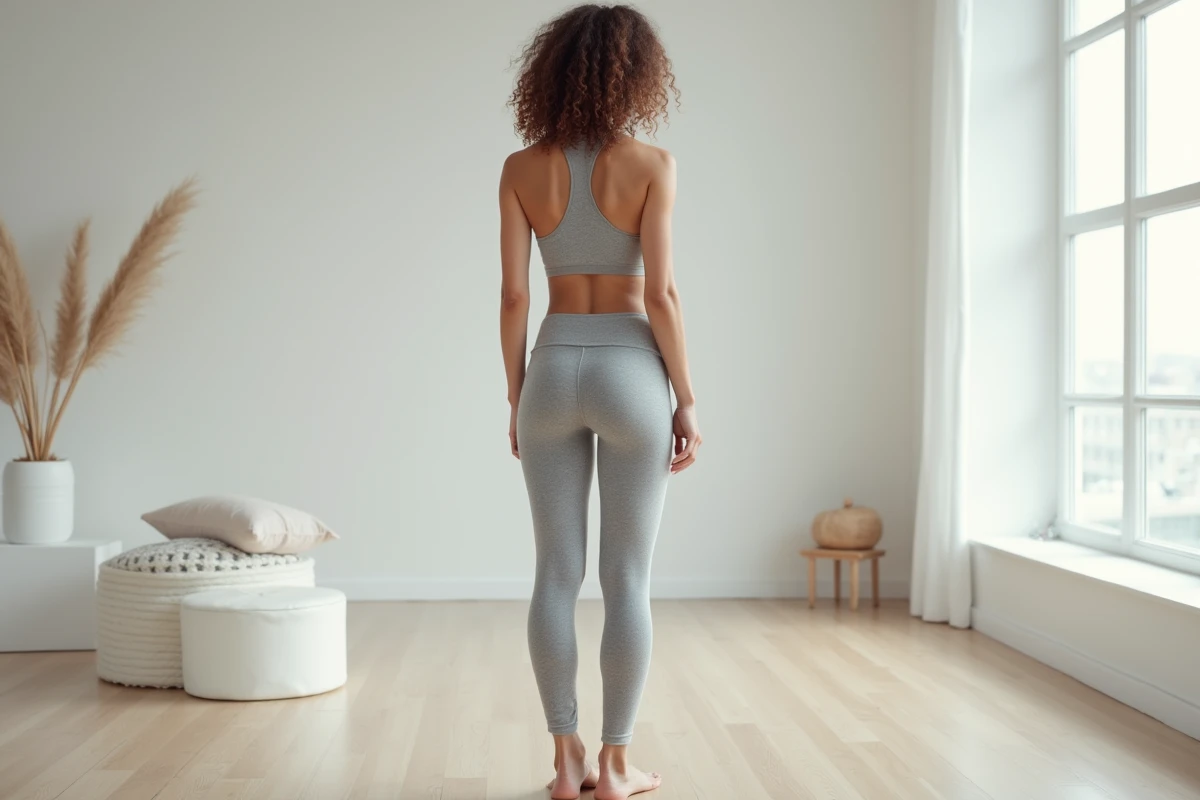
Have you ever entered your height into a measurement calculator and received a precise result down to the centimeter? These numbers give an impression of scientific rigor. In practice, they are based on fragile assumptions.
The Venus Index, for example, is based on the golden ratio to determine a supposed universal waist-to-shoulder ratio. The formula ignores pelvic width, muscle density, and the natural distribution of body fat, which varies greatly from woman to woman.
Male bodybuilding formulas (McCallum, Reeves) are even less suitable. They were designed for men engaged in intensive bodybuilding, with radically different body structures and hormonal profiles. Extrapolating them to a female body produces targets disconnected from any physiological reality.
What these calculators do not measure
- The distribution between body fat and muscle mass, which directly influences the centimeters displayed on the tape without any relation to health
- The width of the skeleton (pelvis, rib cage), which can vary by several centimeters between two women of the same height and weight
- The effect of posture and breathing on waist circumference, which can fluctuate by two to three centimeters within the same day
The same hip measurement can correspond to totally different body compositions. Two women who are 1m65 displaying the same number on the tape will not have the same level of metabolic health.
Taking measurements correctly: a reliable method with a tape measure
If exact numbers have no universal value, regular measurement remains useful for tracking one’s own progress. However, it is essential to measure consistently.
You will need a flexible tape measure, a mirror, and a quiet moment. Stand up, in your underwear, with your feet together.
- Bust measurement: place the tape at the fullest part of the bust, keeping it horizontal without compressing
- Waist measurement: measure at the narrowest part of the torso, at the end of a normal exhalation (not by sucking in the stomach)
- Hip measurement: place the tape at the widest part of the pelvis, keeping the tape parallel to the ground
Consistency is more important than absolute precision. Take your measurements in the morning, on an empty stomach, under the same conditions. It is the trend over several weeks that matters, not the isolated number.

Online body images and unrealistic proportions: a bias to be aware of
Searching for ideal measurements online exposes you to a recent and documented bias. A report from Ofcom published in November 2024 notes a rapid increase in body content generated or edited by artificial intelligence on social media.
These images show slightly exaggerated female proportions: a thinner waist, more pronounced hips and bust than what physiology allows naturally. The problem: these visuals gradually alter the perception of what is “normal”, even among people who do not follow fitness accounts.
A study published in Body Image in May 2022 (Boothroyd et al.) also shows a gap between proportions deemed ideal and those considered truly attractive. This gap is rarely mentioned by measurement calculators.
Protecting yourself from these biases
Comparing your body to filtered or AI-generated images skews judgment. A waist, hip, or bust measurement only makes sense when related to your own bone structure and body history.
The waist-to-height ratio remains the simplest and most robust tool for assessing whether your proportions are compatible with good health. For a woman who is 1m65, maintaining her waist circumference below half her height (around 82 cm) is a concrete goal, validated by research, and independent of aesthetic trends.