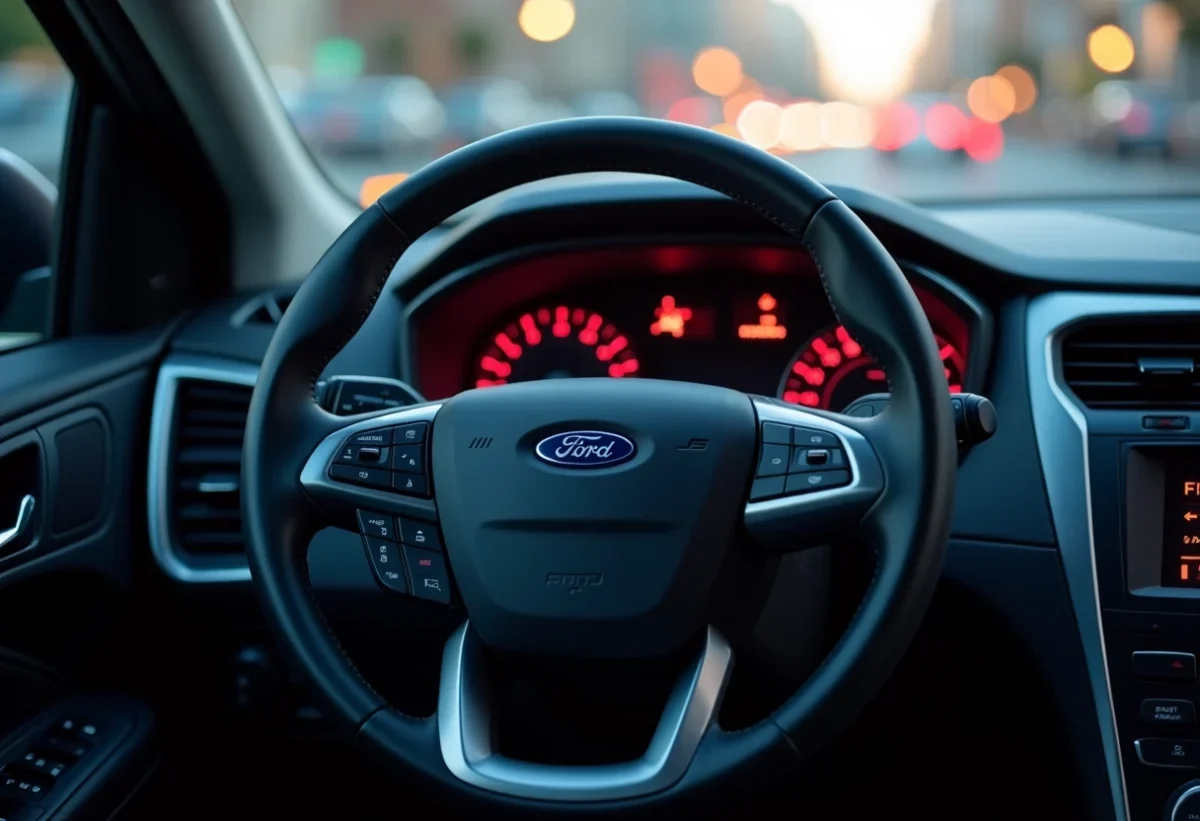
Ford vehicle drivers may sometimes find themselves puzzled by the various alerts displayed on their dashboard. Understanding these messages is essential for ensuring the safety and longevity of the car. Each model, whether it’s the Fiesta, the Explorer, or the Mustang, has its own specific alerts.
Some notifications are common across several models, such as maintenance reminders or low fuel warnings. Others, more sophisticated, may indicate specific issues with the engine or safety systems. A good understanding of these alerts allows owners to react quickly and take the necessary steps to avoid costly repairs.
The different dashboard indicators for Ford models
To navigate the complexity of car indicators, you need to distinguish the different categories present on the dashboard of Ford models. The colors of these indicators are crucial for correctly interpreting the messages they convey.
The colors of the indicators
- Red: an urgent situation requiring immediate action.
- Orange: a warning indicating a problem to monitor.
- Green and Blue: generally indicate normal operation or useful information.
Examples of specific indicators
Some indicators are specific to models like the Ford Fiesta or the Ford Focus. For example, the Ford Fiesta engine light signals an engine problem, whether it’s a faulty sensor or a malfunction in the emissions management system.
For newer models of the Ford Focus, an orange light may indicate an oil pressure issue or engine overheating, requiring immediate inspection. The diesel particulate filter indicators, present on diesel models, warn when the filter is saturated, while the traction control light indicates a traction problem.
Summary table of indicators
| Indicator | Color | Indication |
|---|---|---|
| Engine light | Orange | Engine problem |
| Oil pressure light | Red | Low oil pressure |
| Engine temperature light | Red | Engine overheating |
| Particulate filter light | Orange | Saturated particulate filter |
Understanding these indicators and their meanings is essential for ensuring safe driving and avoiding costly mechanical issues. 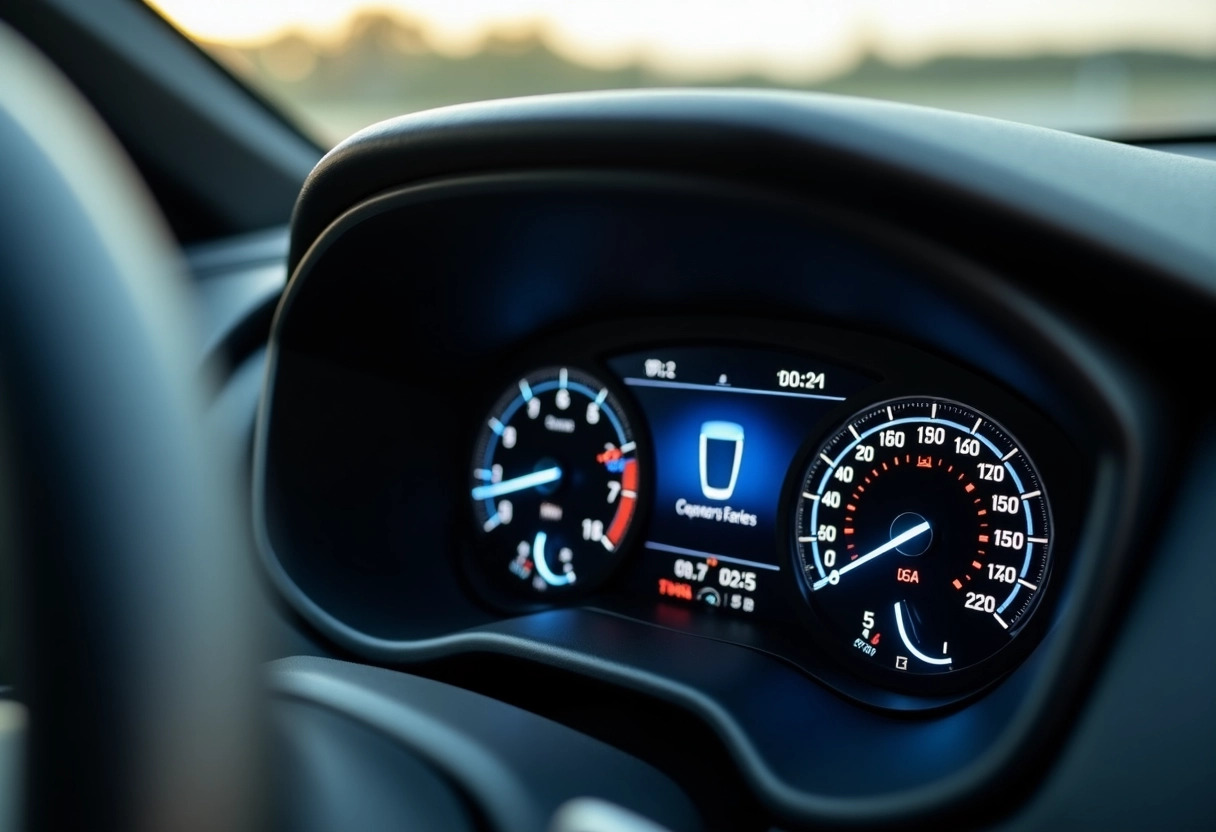
Interpretation and actions to take for each indicator
Understanding your Ford’s indicators is essential for proactive management of mechanical issues. Here is a guide to the main indicators and the actions to take.
Engine light
If the engine light comes on, it often indicates a engine problem. This could be due to faulty sensors, ignition issues, or emissions management problems. In this case, stop the vehicle immediately and contact a professional.
Oil pressure light
When this red light comes on, it warns of low oil pressure. Check the oil level and top up if necessary. If the light persists, consult a mechanic to avoid serious engine damage.
Engine temperature light
A red engine temperature light signals overheating. Stop the vehicle and let the engine cool down before checking the coolant level. A persistent problem requires professional intervention.
Diesel particulate filter light
This orange light indicates that the particulate filter is saturated. To resolve this issue, drive at high speed for an extended period to allow the filter to regenerate. If the light remains on, technical intervention is necessary.
Traction control light
An orange traction control light means there is a traction problem. This issue may be related to faulty wheel sensors or a malfunction in the ABS system. A professional diagnosis is recommended to ensure driving safety.
Battery charge light
This red light warns of a charging problem. Check the battery connections and the alternator. If the problem persists, the battery may need to be replaced.
Understanding and responding to these indicators is crucial for maintaining the performance and safety of your Ford vehicle.