
The water in a magnesium-treated pool has a unique texture. It glides over the skin without leaving the tight feeling that chlorine often causes after a long swim. This comfort is not just a marketing argument: it is based on the physicochemical properties of magnesium dissolved in the pool water. Understanding what actually happens in this water helps determine if this type of treatment is worth the investment.
Magnesium Electrolysis: What Changes in the Pool Chemistry

In a classic salt pool, an electrolyzer transforms sodium chloride into active chlorine. The principle remains similar with magnesium, but the minerals added to the water are not just regular table salt.
The patented blend used in systems like MagnaPool combines magnesium chloride and potassium chloride. Once dissolved, these minerals pass through a hydroxinator (not a standard electrolyzer) that produces magnesium hydroxide. This compound acts as a natural flocculant: it aggregates fine suspended particles and directs them toward the filter.
Concrete result: the water gains clarity without additional chemical disinfection. The residual chlorine produced remains very low, well below the concentrations of a pool treated with pure chlorine. To better understand the benefits of a magnesium pool, one must also look at filtration, as these systems generally operate with a recycled glass filter medium, which is finer than regular sand.
Water Hardness and Magnesium: The Parameter Installers Underestimate
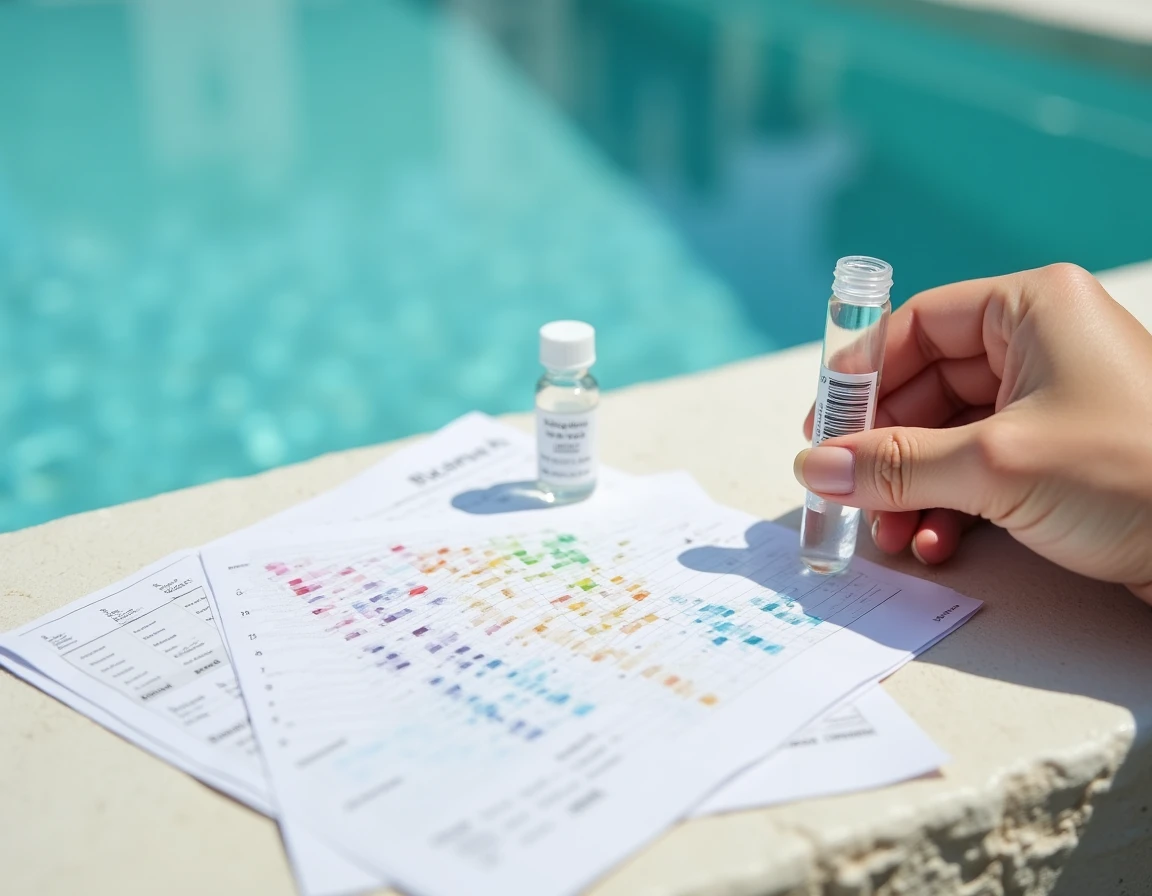
Do you live in an area where the tap water is hard? This detail changes a lot of things. The added magnesium combines with the calcium already present in the water. If your TH (hydrographic title, which measures hardness) exceeds 30 °f, the risk of scaling in the electrolyzer cell significantly increases.
Hard water complicates pH adjustment and can make the system unstable. Manufacturers then recommend monitoring the TH more closely than with a standard salt treatment, or even adjusting the formula of injected minerals.
This point is rarely highlighted in commercial brochures. Before any installation, have your filling water analyzed. Soft water (TH below 15 °f) adapts well to magnesium. Very hard water will require a softener upstream or rigorous monitoring of the calcium-carbonate balance.
Ultra Low Salinity Systems: The Answer to Corrosion Problems
The first magnesium systems operated with relatively high salt concentrations, which caused corrosion problems on metal parts (ladders, screws, pumps). In recent years, manufacturers have offered hydrolyzers with ultra low salinity, around 1 g/L, combining salt and magnesium.
The Wallaby hydrolyzer, for example, operates at 0.5 g/L. User feedback confirms the very low salinity but also reports more delicate adjustments than with a standard salt electrolyzer. The reduction in corrosion is real, but the comfort of daily management requires a learning curve.
Benefits of Magnesium on the Skin: Between Reality and Exaggeration
Magnesium is present in seawater, in the human body, and in all living tissues. Its relaxing virtues in thermal baths have been documented for a long time. Transposed to a private pool, these properties translate into:
- A soothing effect on sensitive skin or skin prone to eczema, thanks to the low concentration of residual chlorine and the softening action of dissolved magnesium
- A notable reduction in eye irritations compared to a chlorine pool, which most users confirm after a few weeks of use
- A feeling of softness on the skin upon exiting the water, comparable to that of a thermal water bath, without the greasy film left by some bromine treatments
Should we expect therapeutic effects? The magnesium concentration in a pool remains lower than that of a thermal cure. The swimming comfort is tangible, but the health benefits remain modest and do not replace dietary intake or supplementation.
Installation Budget and Maintenance of a Magnesium Pool
The initial investment is higher than for a chlorine or standard salt treatment. The hydroxinator, the recycled glass filter medium, and the patented minerals represent a significant additional cost compared to a standard salt electrolyzer.
Anticipated Expense Items
- The hydroxinator itself, which is more expensive than a standard salt electrolyzer and is only compatible with the associated brand’s minerals
- The recycled glass filter medium, which replaces sand and needs to be renewed less often, but whose initial purchase cost is higher
- Refills of magnesium-potassium minerals, to be added at the beginning of the season and after each partial draining of the pool
- Maintenance of the electrolysis cell, which is sensitive to scaling in hard water and may require more frequent descaling
In the long term, regular maintenance often costs less than a chlorine pool, as the consumption of additional chemical products decreases. The pH remains more stable in properly balanced water, which reduces the need for pH correctors.
Filtration and Operating Time
The system requires sufficient daily filtration, generally between ten and fourteen hours per day as soon as the water temperature exceeds 20 °C. This filtration time is not specific to magnesium; it applies to all electrolysis treatments. Therefore, the filtration pump represents an electrical consumption item to include in the overall calculation.
Magnesium or Standard Salt: Concrete Choice Criteria
The magnesium treatment is not suitable for all situations. It makes perfect sense for owners seeking superior swimming comfort and who accept an initial extra cost in exchange for softer water and reduced chemical maintenance.
If your filling water is very hard, if you are not ready to closely monitor the TH and pH, or if your installation budget is tight, a standard salt electrolyzer remains a simpler choice to manage on a daily basis.
Magnesium provides a real sensory gain and reduces irritations. This is not a technical revolution; it is a conscious comfort choice that requires compatible starting water and regular monitoring of parameters. For a family pool used daily in season, the difference is felt within the first few weeks.