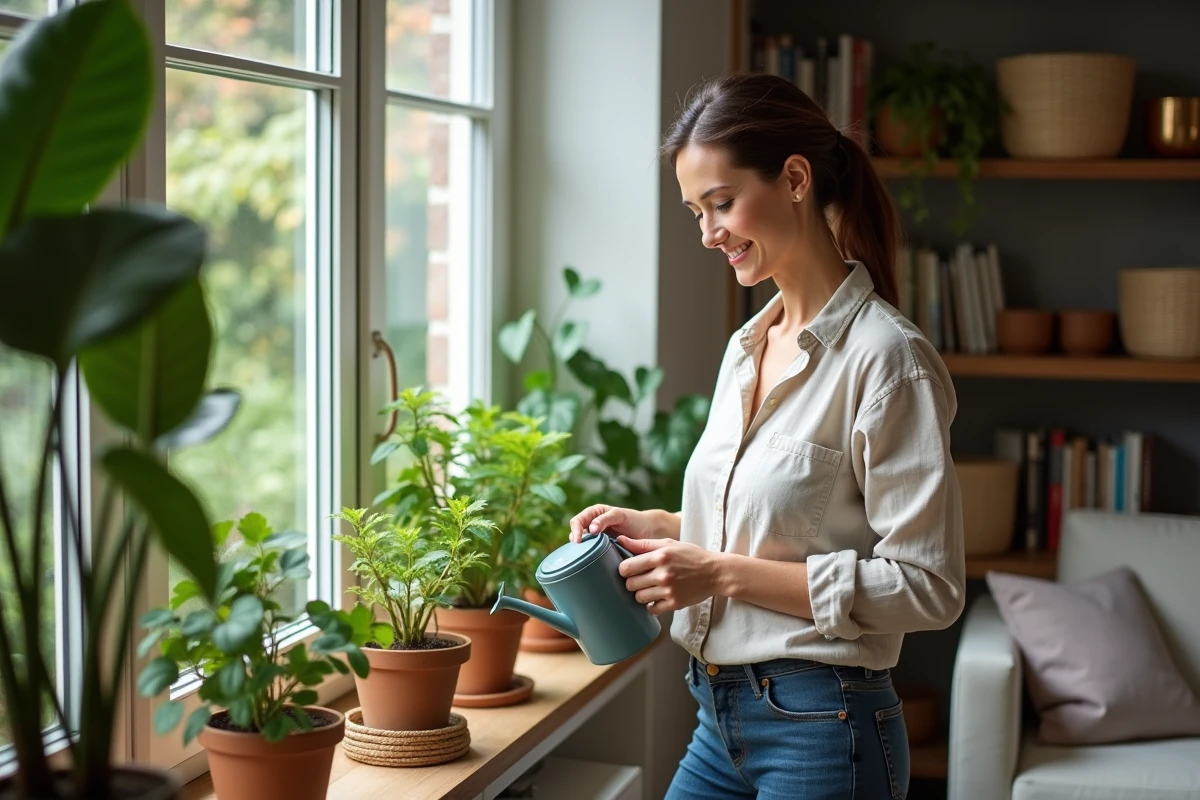
The WHO no longer leaves any doubt: the air in our homes, in Europe, now contains more pollutants than that of the street. Thermal regulations, so valuable for reducing energy losses, sometimes insidiously trap undesirable substances within our walls, especially when ventilation is lacking. The paradox even affects so-called “eco-friendly” materials: some conceal sophisticated chemistry or emit unexpected VOCs, confusing vigilant consumers regarding health issues.
However, nothing is set in stone. We can truly limit risks and improve daily comfort, provided we sweep away false assumptions and rely on proven principles of eco-construction and indoor air management.
Why healthy living environments have become a major issue for our health and the planet
Living in a healthy environment is no longer just a choice; it is now a requirement to preserve our health and that of future generations. Indoor air quality directly shapes the well-being of inhabitants. The figures are undeniable: our homes can harbor more pollutants and volatile organic compounds (VOCs) than outdoor air. The sources? Recent paints, brand new furniture, aggressive household products… all silent contributors to respiratory issues and allergies that develop over time.
Improperly controlled humidity opens the door to mold. Its effects are harmful, especially for vulnerable individuals: asthma, chronic allergies, decreased quality of life. Another aspect that is often minimized is noise, sound disturbances, and exposure to electromagnetic fields. Whether it concerns connected devices, the electrical network, or relay antennas, these disruptors weigh on our daily lives and deserve real attention.
At the same time, choosing an eco-friendly home, a truly sustainable habitat, allows for reducing the environmental footprint without sacrificing comfort. Natural materials, reasonable moisture management, and reducing pollution sources now appear as concrete levers. Not to mention natural lighting, whose positive impact on mood and health is well-established, nor acoustic insulation, which protects from ambient noise. For those wishing to delve deeper into the subject, learn more at noximaison.fr offers a comprehensive overview of the challenges and means of action to reconcile well-being and respect for the environment.
Which principles and materials to prioritize for sustainable eco-construction
Building or renovating a healthy home requires making choices aligned with a long-term vision. The materials chosen make a difference. Bio-sourced materials, wood fiber, hemp, straw, cellulose wadding, derived from natural or recycled resources, help purify the atmosphere while limiting VOC emissions.
Insulation, both thermal and acoustic, is essential: it protects from cold, noise, and reduces energy bills. Favoring a wooden frame, terracotta bricks, or wooden slabs is betting on a stable, healthy, and cost-effective habitat over time. This type of structure helps limit carbon footprint and improve the thermal performance of the house.
For finishes, the ideal remains to opt for natural paints and eco-friendly household products to preserve indoor air quality. On the furniture side, choosing eco-labeled furniture further limits the introduction of undesirable substances into the home.
Here are the main families of solutions to prioritize for coherent eco-construction:
- Natural materials: wood fiber, hemp, straw, cellulose wadding
- Structure: wooden frame, terracotta bricks
- Finishes: natural paints, eco-labeled furniture
This technical foundation, whether for new builds or renovations, paves the way for a sustainable habitat that respects the balance between environmental performance and quality of life.
Concrete solutions to transform your home into a healthy and eco-friendly space
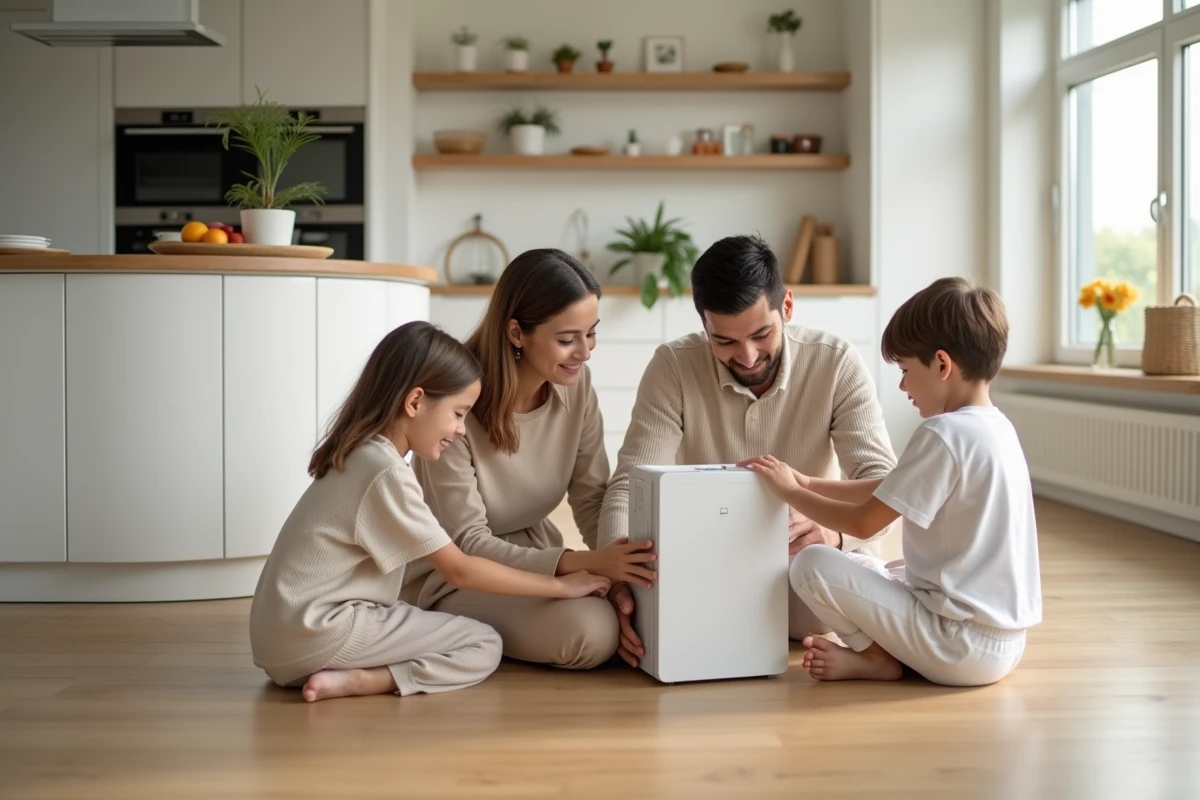
Indoor air, often more polluted than outdoor air, requires particular vigilance. Ventilation then becomes the cornerstone of a healthy habitat. Installing an efficient mechanical ventilation system, adapted to the layout of the home, allows for continuous renewal of ambient air. Mechanical filtration reduces the spread of VOCs and dust, limiting the risk of long-term respiratory issues.
Regulating humidity also becomes a point of vigilance: poorly managed humidity promotes the growth of mold and allergies. ADEME recommends adjusting the temperature room by room to maintain comfort while being mindful of energy consumption. To go further in this approach, installing a rainwater recovery system allows for saving potable water for irrigation or cleaning, while a greywater heat recovery system utilizes energy already consumed.
Another aspect not to be overlooked is controlling exposure to electromagnetic fields. Specific technical conduits exist to limit this impact, and it is advisable to follow ANSES guidelines regarding the reasonable use of connected devices. Finally, designing the garden with permaculture principles promotes biodiversity and extends the sought-after balance inside the house.
Here are the concrete measures to consider for taking a step towards a healthy habitat:
- Controlled mechanical ventilation for air renewal
- Rainwater and heat recovery
- Reasonable management of connected devices
- Garden designed according to permaculture principles
This journey, far from being reserved for an elite of enthusiasts, is aimed at all those who wish to transform their living space into a healthy, economical, and future-oriented refuge. Because every action, every choice, shapes a home where it is good to breathe, grow, and pass on.